
For studios
How to turn a playtest into useful feedback
A good playtest gives a studio something it can act on. Here is a practical way to record what happened, explain the friction and keep the player's perspective intact.
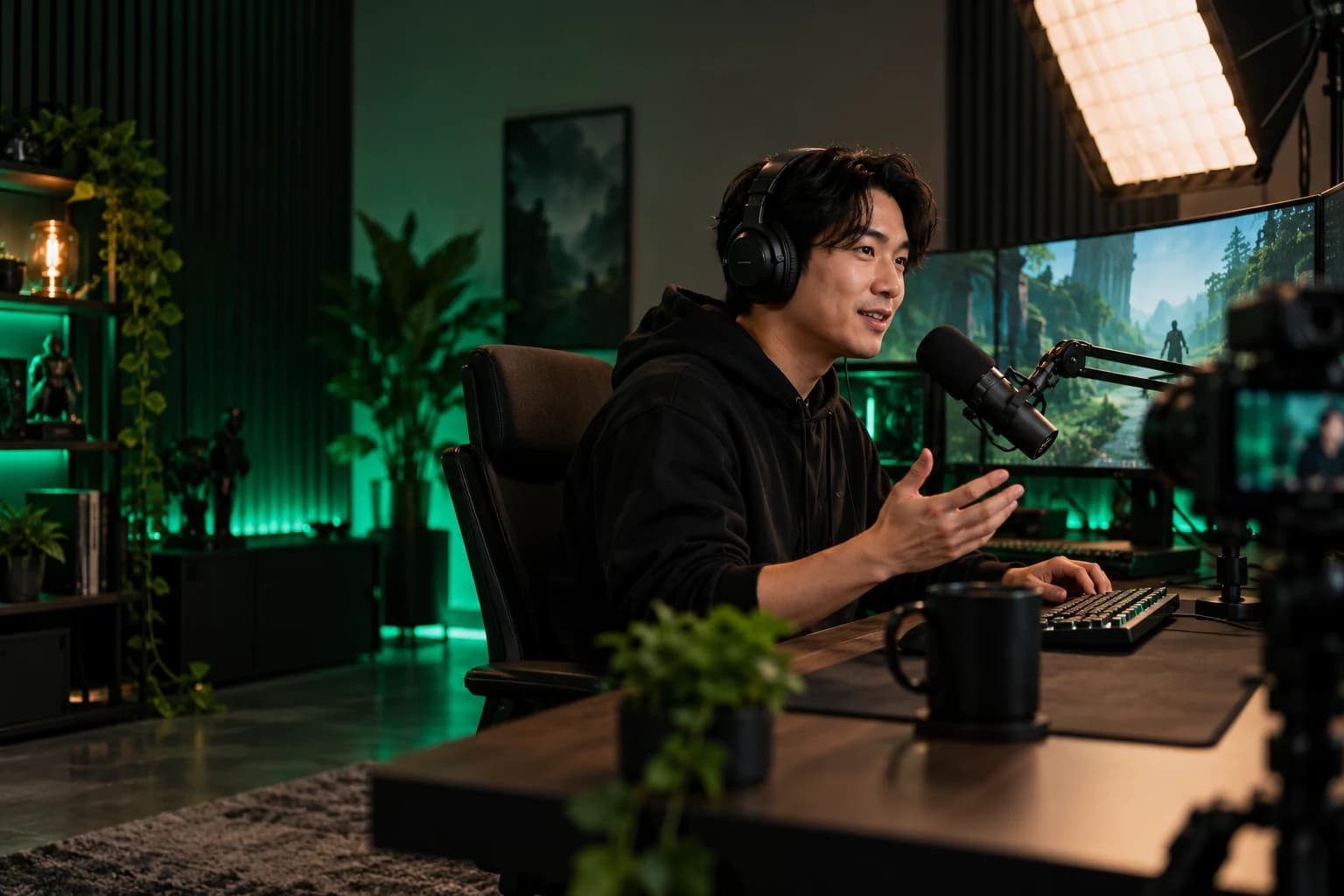
Start with a clear question
Before inviting players into a build, decide what you need to learn. Can a new player finish the tutorial without help? Does a match end when players expect it to? Can a returning player find the next objective? Each question gives the session a purpose.
A broad request to try everything usually produces broad answers. Give people a short route through the build, then leave time for exploration. Record the build version, device and relevant settings so the team can interpret what happened.
Separate the observation from the suggestion
“The menu is confusing” is a starting point. “I opened the inventory 3 times before finding the quest item” gives a designer something to investigate. Ask players to describe the action they took, the result they expected and what they saw instead.
Keep suggested solutions in a separate field. A player may correctly identify friction without knowing the best way to solve it. The underlying problem should survive even if the team chooses a different design.
Make evidence easy to use
For a bug, include the shortest repeatable sequence, a screenshot or clip, and whether it happened again. For an experience problem, a short note about what the player was trying to do can be more useful than a long recording with no context.
Avoid filling reports with private account information or unrelated desktop content. Agree what can be recorded before the session, especially for unreleased builds. A shared naming convention keeps screenshots and notes connected to the right build and task.
Close the loop with the players
After the session, group repeated observations and preserve the unusual ones that might reveal a serious issue. Report how many people encountered a problem alongside the number who attempted that part of the game. A percentage without that denominator can mislead.
Tell players what the team learned and which questions need another test. You do not have to promise a fix for every suggestion. Showing that the feedback was understood makes the next session more useful for everyone.
For a CGG playtesting brief, start with the build, target players, session length and the decision you want the feedback to inform. That gives us a concrete conversation about the right community session.
Share this story
Keep reading
Guild stories
From Axie to a guild that follows the games
CGG started playing together in 2020. Our deck tells the story of a community finding its way into new worlds, new competitions and new friendships.
Guild updates
Your CGG profile: one player, connected identities
A member profile gives your games and connections a shared home. Here is what wallet sign-in does, what stays private and how social linking fits into future quests.